How to Layer for Cold Weather (Beginner Guide)
Cold weather layering is a clothing system designed to keep you warm, dry, and comfortable by combining multiple layers, each with a specific function. Instead of relying on one heavy jacket, layering allows you to regulate body temperature, manage moisture, and adapt to changing conditions.
This guide explains how cold weather layering works, what each layer does, and how to use the system effectively, especially if you’re new to cold climates or winter activities.
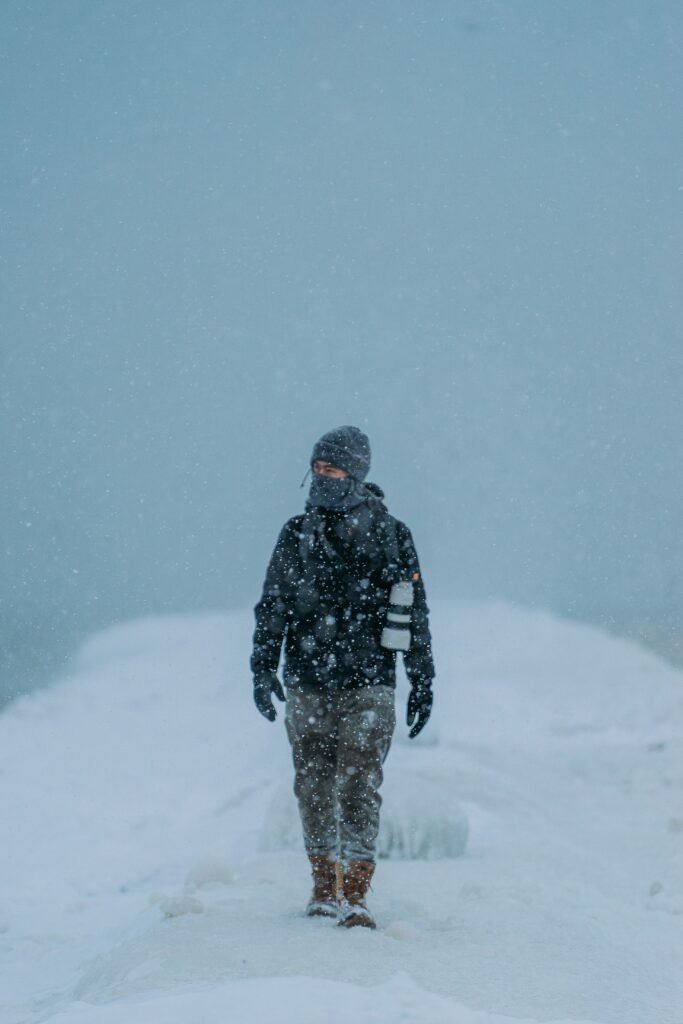
Why Layering Matters in Cold Weather
Staying warm in cold conditions is not just about insulation. Moisture buildup from sweat, exposure to wind, and fluctuating activity levels can all lead to discomfort or heat loss if clothing is poorly chosen.
Layering helps by:
- Trapping heat efficiently
- Allowing moisture to escape
- Blocking wind and precipitation
- Making it easy to add or remove warmth as conditions change
This system is widely recommended by outdoor safety organizations, winter clothing manufacturers, and cold-weather researchers.
The Three Layers of Cold Weather Clothing
Most cold weather clothing systems are built around three main layers:
- Base layer
- Insulating (mid) layer
- Outer shell
Each layer serves a different purpose and works best when combined with the others.
1. Base Layer: Moisture Management
The base layer is worn directly against the skin. Its primary role is to wick moisture away from the body, keeping you dry and reducing heat loss caused by sweat.
Common base layer materials:
- Merino wool – Warm when wet, odor-resistant, breathable
- Synthetic fabrics (polyester blends) – Quick-drying, lightweight
- Avoid cotton – Cotton traps moisture and increases heat loss
A good base layer should fit close to the body without restricting movement.
When to use it: Always! Your base layer is the foundation of the system.
2. Insulating Layer: Heat Retention
The insulating layer traps warm air generated by your body. This layer provides the majority of your warmth.
Common insulating options:
- Fleece – Breathable, lightweight, good for mild cold
- Down insulation – Excellent warmth-to-weight ratio, best in dry conditions
- Synthetic insulation – Performs better than down in wet environments
The thickness of this layer can be adjusted depending on temperature and activity level.
When to use it: In cold to very cold conditions, or during low activity periods.
3. Outer Shell: Protection from the Elements
The outer shell protects against wind, rain, and snow. While it may provide minimal insulation, its main function is weather resistance.
Key features to look for:
- Windproof fabric
- Water-resistant or waterproof material
- Breathable membranes (to reduce sweat buildup)
Shells can be:
- Hard shells (fully waterproof)
- Soft shells (more breathable, less weatherproof)
When to use it: In windy, wet, or snowy conditions.
How to Adjust Layers Based on Conditions
Layering is flexible. You don’t always need all three layers.
- Cold + high activity: Base layer + light insulation
- Cold + low activity: Base layer + heavier insulation + shell
- Wet or windy conditions: Always include a shell
- Indoor to outdoor transitions: Remove or unzip layers to prevent sweating
The goal is to stay warm without overheating, which can lead to moisture buildup and discomfort.
Final Thoughts
Cold weather layering is not about wearing the most clothing; it’s about wearing the right combination of layers. By understanding the role of each layer, you can stay warmer, drier, and more comfortable in a wide range of cold conditions.
Once you understand the basics, layering becomes intuitive and adaptable, whether you’re commuting, traveling, or spending time outdoors in winter.