Base Layers Explained: Wool vs Synthetic
So What is the Difference between Wool and Synthetic Base Layers?
When it comes to staying warm in cold weather, your base layer is the most important piece of clothing you wear. Base layers sit directly against your skin and play a critical role in regulating body temperature, managing moisture, and maintaining overall comfort.
Two materials dominate cold weather base layers: wool (most commonly merino wool) and synthetic fabrics. This guide explains how each one works, their strengths and weaknesses, and how to choose the right option for your needs.
What Is a Base Layer and Why It Matters
A base layer is the first layer in a cold weather clothing system. Its primary function is moisture management, not insulation.
Even in cold conditions, your body produces sweat during movement. If that moisture stays against your skin, it can dramatically increase heat loss and lead to discomfort or even hypothermia. A proper base layer moves moisture away from the skin and helps regulate temperature.
A good base layer should:
- Wick moisture efficiently
- Dry quickly
- Feel comfortable against the skin
- Work with other layers, not against them
Wool Base Layers: How They Work
Wool base layers are most commonly made from merino wool, a finer and softer type of wool designed for next-to-skin wear.
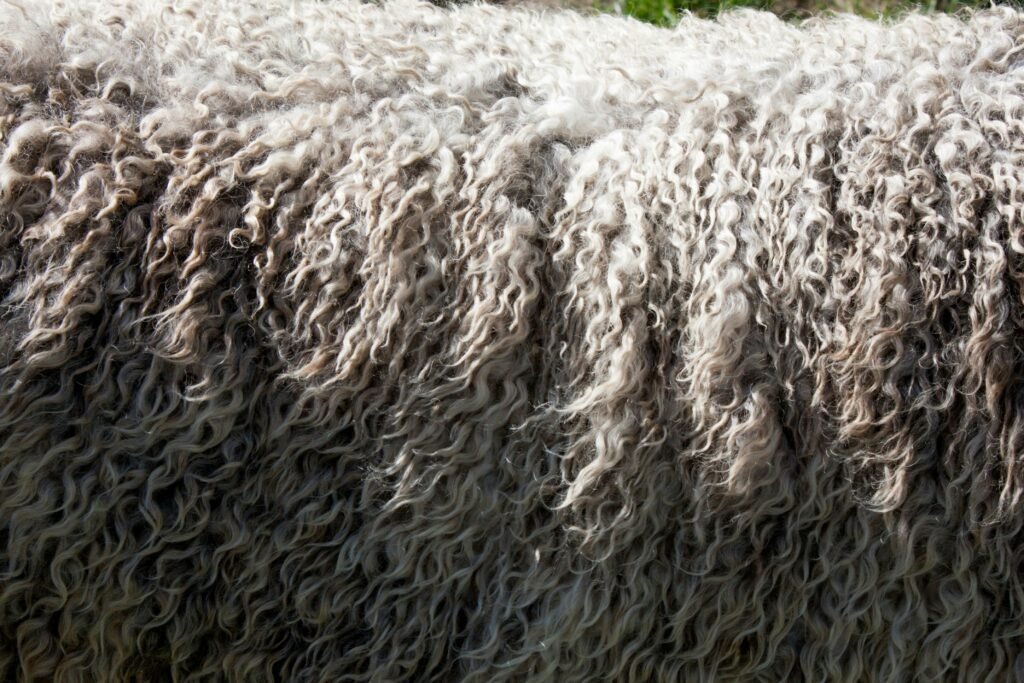
Key Characteristics of Wool Base Layers
- Excellent moisture regulation
Wool fibers can absorb moisture while still feeling relatively dry, which helps maintain warmth even when damp. - Natural temperature regulation
Wool helps insulate in cold conditions while remaining breathable during periods of activity. - Odor resistance
Wool naturally resists odor-causing bacteria, making it ideal for multi-day use without washing. - Comfort
Merino wool is soft and flexible, unlike traditional coarse wool.
Downsides of Wool
- Slower drying time compared to synthetics
- Can be more expensive
- Slightly less durable under heavy abrasion
Wool base layers are often favored for cold, dry conditions, extended wear, and situations where comfort over long periods matters.
Synthetic Base Layers: How They Work
Synthetic base layers are typically made from polyester or polyester blends designed specifically for moisture wicking and durability.
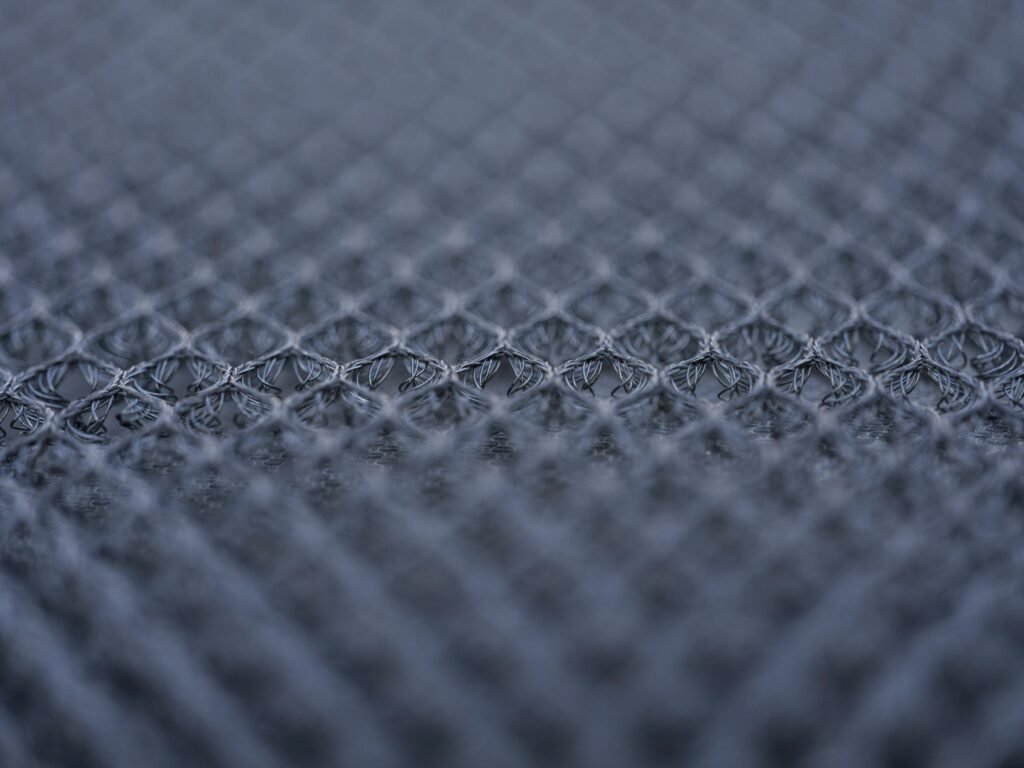
Key Characteristics of Synthetic Base Layers
- Fast drying
Synthetic fibers shed moisture quickly, making them ideal for high-output activities. - Lightweight and durable
Synthetic base layers hold up well to frequent use and washing. - Affordable and widely available
They are often less expensive than wool options. - Consistent performance when wet
Synthetics continue to wick moisture effectively even during intense activity.
Downsides of Synthetic Base Layers
- Can retain odor more easily
- Less effective at insulating when damp compared to wool
- Can feel clammy if ventilation is poor
Synthetic base layers are commonly chosen for high-intensity activities or environments where staying dry is the top priority.
Wool vs Synthetic: Side-by-Side Comparison
| Feature | Wool Base Layers | Synthetic Base Layers |
|---|---|---|
| Moisture management | Excellent | Excellent |
| Drying speed | Moderate | Fast |
| Warmth when damp | Very good | Moderate |
| Odor resistance | Excellent | Poor to moderate |
| Durability | Moderate | High |
| Cost | Higher | Lower |
Neither material is “better” in all situations—the best choice depends on conditions and activity level.
How to Choose the Right Base Layer for Your Needs
When deciding between wool and synthetic base layers, consider the following:
Choose Wool If You:
- Spend long periods outdoors in cold weather
- Want natural odor resistance
- Prefer comfort over multiple days
- Are in mostly dry environments
Choose Synthetic If You:
- Engage in high-output activities (hiking, snowshoeing, work)
- Need fast drying performance
- Are on a tighter budget
- Expect frequent washing and heavy use
Some people keep both types and choose based on the day’s conditions.
Common Base Layer Mistakes to Avoid
- Wearing cotton as a base layer
- Choosing a base layer that is too loose
- Overdressing and sweating excessively
- Ignoring ventilation and layering balance
A base layer works best when it fits close to the skin and is paired correctly with insulating and outer layers.
Conclusion
Wool and synthetic base layers both play important roles in cold weather clothing systems. Wool excels in comfort, warmth, and odor control, while synthetic fabrics shine in durability and moisture management during intense activity.
Understanding how base layers work, and choosing the right material for your conditions can make a significant difference in cold weather comfort and safety.